This Forum will close on Wednesday 27 March, 2024. Please refer to the announcement on the Discussions page for further detail.
Unknown tree sprouted in the pot with my lemon tree-ID please
 HouseFinch
Posts: 328
HouseFinch
Posts: 328
in Plants
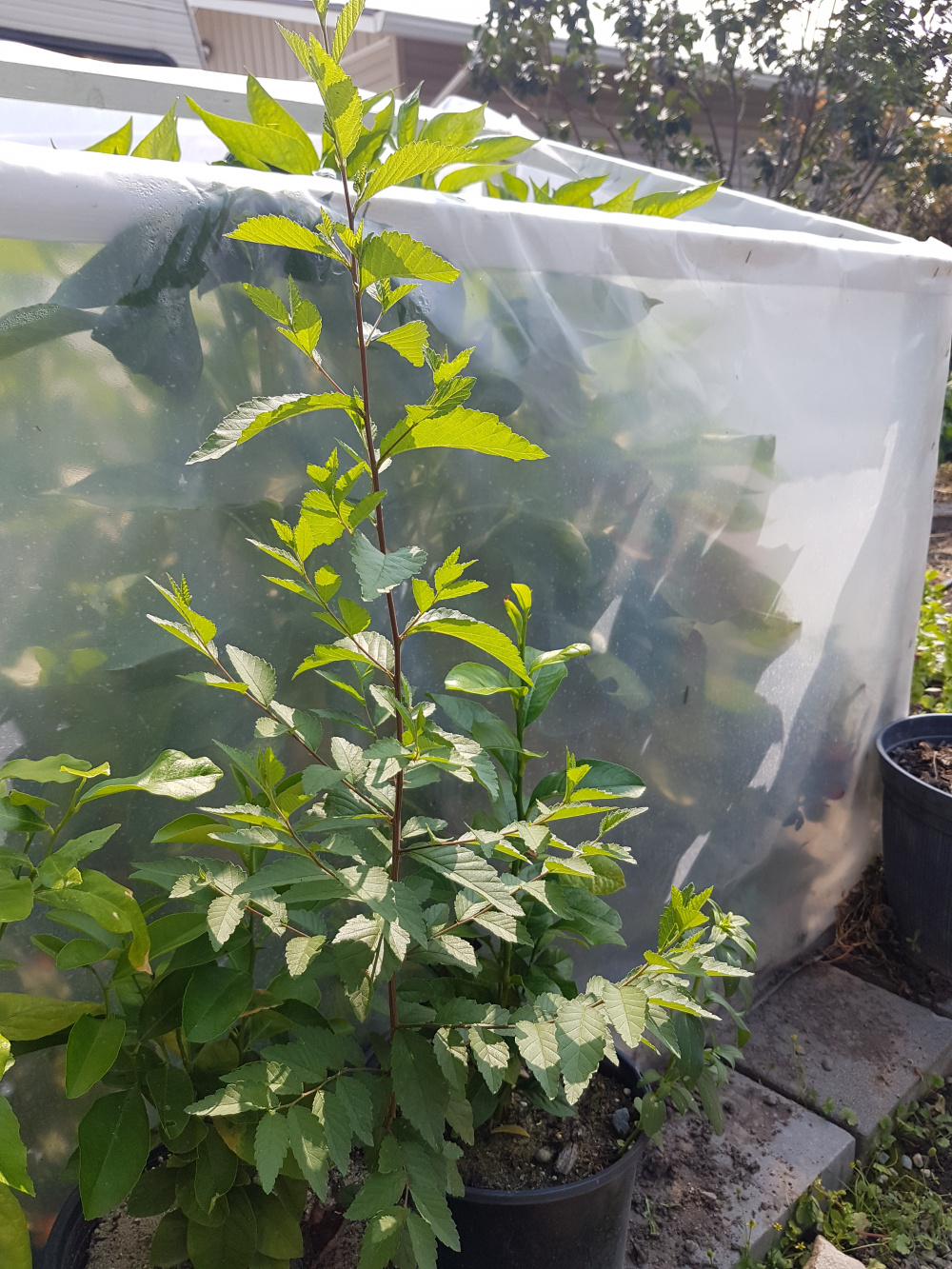
Can anyone identify this please? 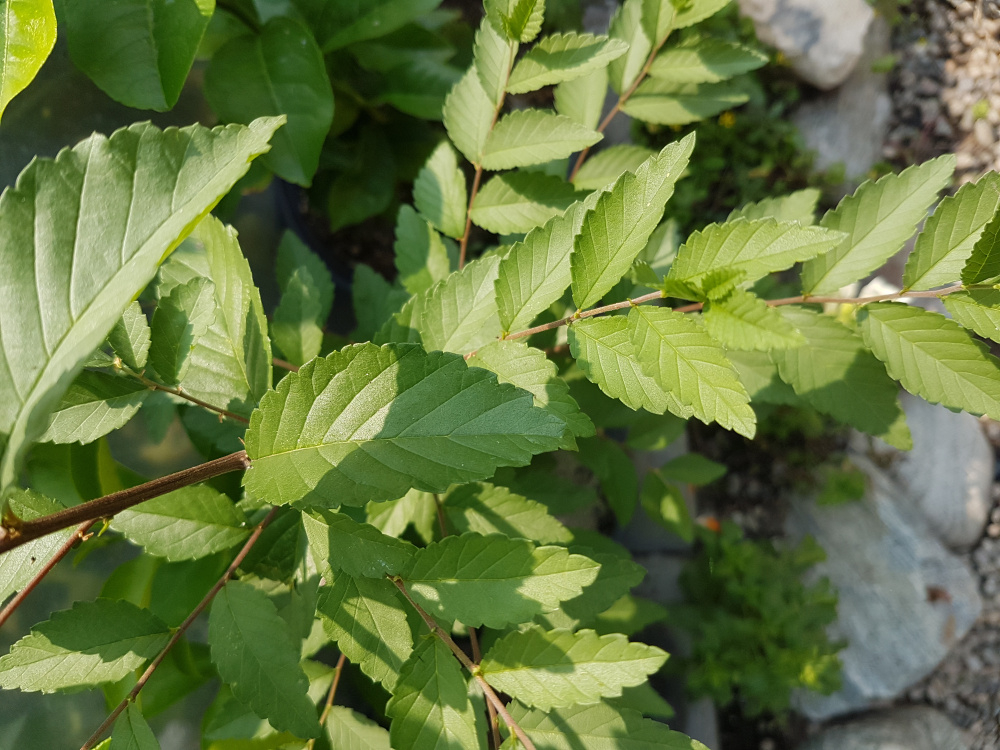
0
Posts
I'm sure there's an expert on here who will know
Ash leaves are compound.. it has one stalk with many opposite leaflets.See pics 1 and 2 below.
While Sycamore are large they look like palm of a hand. ..palmate see 3 and 4 below.
Sorry, I do not recognise the mystery tree.Which has alternate single leaves.
But in Canada it maybe Betula a birch tree. I do not know which species you have over there.
You need to read the detail to see where it is invasive or a problem.
UK doesn't come close!
Quote wiki.....
"Invasiveness and spontaneous hybridization[edit]
In North America, Ulmus pumila has become an invasive species in much of the region from central Mexico[40] northward across the eastern and central United States to Ontario, Canada.[41] It also hybridizes in the wild with the native U. rubra (Slippery Elm) in the central United States, prompting conservation concerns for the latter species.[42][43] In South America, the tree has spread across much of the Argentine pampas[44][45]
In Europe it has spread widely in Spain, and hybridizes extensively there with the native field elm (U. minor),[46] contributing to conservation concerns for the latter species.[47] Research is ongoing into the extent of hybridisation with U. minor in Italy.[48]
Ulmus pumila is often found in abundance along railroads and in abandoned lots and on disturbed ground. The gravel along railroad beds provides ideal conditions for its growth: well-drained, nutrient poor soil, and high light conditions; these beds provide corridors which facilitate its spread. Owing to its high sunlight requirements, it seldom invades mature forests, and is primarily a problem in cities and open areas,[49][50] as well as along transportation corridors.
The species is now listed in Japan as an alien species recognized as established in Japan or found in the Japanese wild."